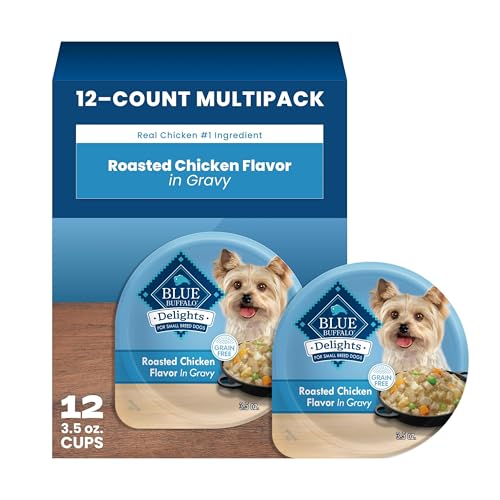
Choosing the right dog food doesn’t have to be overwhelming. With so many brands, formulas, and feeding philosophies out there, it’s easy for beginners to feel unsure about what’s truly best. The good news is that dog nutrition follows a few simple principles, and once you understand them, you can confidently choose food that supports your dog’s health, energy, and long-term wellness. In this guide, I walk you through the essentials of dog food selection in a clear, beginner-friendly way.
Why Choosing the Right Dog Food Matters
Your dog’s food is the foundation of their health. The right diet supports digestion, skin and coat health, muscle development, immune strength, and overall vitality. When you choose food that matches your dog’s age, breed, and lifestyle, you’re giving them the fuel they need to thrive. Here, I help beginners understand why dog food matters and how to make smart, informed choices.
Core Benefits of Proper Nutrition
- Supports healthy digestion and nutrient absorption
- Promotes strong muscles and steady energy
- Improves skin and coat health
- Helps maintain a healthy weight
1. Understanding Dog Food Types
Dog food comes in several forms, each with its own strengths. Beginners often wonder whether dry food, wet food, or fresh food is “best,” but the truth is that the right choice depends on your dog’s needs and your lifestyle. In this section, I break down the main types of dog food so you can understand how each one works and when it’s most useful.
Dry Kibble
- Convenient and easy to store
- Supports dental health through chewing
- Available in many formulas for specific needs
Wet Food
- Higher moisture content for hydration
- Great for picky eaters
- Soft texture ideal for seniors
Fresh or Homemade Food
- Made with whole, recognizable ingredients
- Highly palatable and nutrient-rich
- Requires proper balance and storage
Raw Diets
- Focus on uncooked meats and bones
- May improve coat and digestion
- Requires careful handling and vet guidance
2. Choosing Food by Age
Dogs have different nutritional needs at different stages of life. Puppies need more calories and nutrients for growth, adults need balanced maintenance diets, and seniors benefit from joint support and easy-to-digest formulas. Here, I help beginners understand how to choose food based on age so your dog gets exactly what they need.
Puppy Food
- Higher protein and fat for growth
- Supports brain and bone development
- Small kibble size for easy chewing
Adult Food
- Balanced nutrients for maintenance
- Supports steady energy and healthy weight
- Available in breed-specific formulas
Senior Food
- Lower calories to prevent weight gain
- Joint-support ingredients like glucosamine
- Easy-to-digest proteins
3. Choosing Food by Breed Size
Breed size plays a major role in nutritional needs. Large breeds require joint support and controlled growth, while small breeds need calorie-dense food to match their fast metabolism. In this section, I explain how to choose food based on your dog’s size so you can support their unique health needs.
Small Breeds
- Higher calorie density
- Small kibble size
- Supports fast metabolism
Medium Breeds
- Balanced formulas for everyday activity
- Variety of protein options
- Good for most lifestyles
Large Breeds
- Controlled calcium for bone health
- Joint-support ingredients
- Moderate calorie levels to prevent weight gain
4. Choosing Food by Lifestyle
Your dog’s daily activity level affects how much energy they need. Active dogs burn more calories and benefit from higher protein diets, while low-activity dogs need lighter formulas to prevent weight gain. Here, I help beginners match food to lifestyle so your dog stays energized and healthy.
Active Dogs
- Higher protein and fat for energy
- Supports muscle recovery
- Ideal for working or athletic dogs
Moderate Activity Dogs
- Balanced nutrients for everyday life
- Supports steady energy
- Good for most family dogs
Low Activity Dogs
- Lower calories to prevent weight gain
- Easy-to-digest ingredients
- Ideal for seniors or indoor dogs
5. Understanding Dog Food Labels
Dog food labels can be confusing, especially for beginners. But once you know what to look for, you can quickly spot high-quality formulas. In this section, I walk you through the most important parts of a dog food label so you can make confident choices every time you shop.
Key Label Elements
- Real meat listed as the first ingredient
- Clear protein sources (chicken, salmon, beef)
- Limited fillers and artificial additives
- Guaranteed analysis for nutrient levels
Ingredients to Avoid
- Artificial colors
- Excessive fillers
- Unspecified “meat by-products”
- High sugar content
6. Special Dietary Needs
Some dogs require special diets due to allergies, sensitivities, or medical conditions. Choosing the right food can make a huge difference in comfort and overall health. Here, I help beginners understand common dietary needs and how to choose food that supports them.
Allergy-Friendly Diets
- Limited-ingredient formulas
- Novel proteins like duck or venison
- Grain-free options when appropriate
Sensitive Stomach Diets
- Gentle proteins like turkey or salmon
- Pumpkin or rice for digestion
- Probiotics for gut health
Weight Management Diets
- Lower calories
- High fiber for fullness
- Lean proteins
7. How Much Should You Feed?
Feeding the right amount is just as important as choosing the right food. Overfeeding leads to weight gain, while underfeeding affects energy and health. Beginners often rely too heavily on bag instructions, but your dog’s needs may vary. Here, I help you understand how to adjust portions based on your dog’s lifestyle and body condition.
Portion Tips
- Use feeding guidelines as a starting point
- Adjust based on activity level
- Monitor weight and body shape
- Use treats sparingly
8. Transitioning to a New Food
Switching dog food should be done gradually to avoid digestive upset. Beginners often switch too quickly, which can cause stomach issues. In this section, I explain how to transition safely so your dog adjusts comfortably.
Safe Transition Schedule
- Days 1–3: 25% new food, 75% old food
- Days 4–6: 50% new food, 50% old food
- Days 7–9: 75% new food, 25% old food
- Day 10+: 100% new food
Bringing It All Together
Choosing the right dog food is one of the most important decisions you make as a dog owner. With a little knowledge and attention, you can confidently select food that supports your dog’s health, energy, and happiness. Explore more guides across WorldDogShop to continue building your dog’s complete nutrition plan.
- Dog Treats — healthy rewards
- Dog Health & Wellness — preventive care
- Dog Training — behavior and confidence
- Dog Walking Gear — safe daily exercise