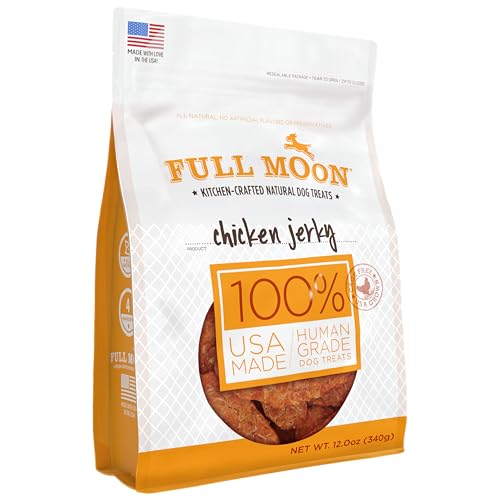
Dog treats are more than just snacks — they’re tools for training, bonding, rewarding, and supporting your dog’s overall well‑being. Whether you’re teaching new commands, reinforcing good behavior, or simply showing love, the right treat makes all the difference.
This guide breaks down everything you need to know about dog treats: types, safety, ingredients, training uses, and how to choose the best options for your dog’s needs.
Why Dog Treats Matter
Treats play a major role in your dog’s daily life — far beyond simple snacking. The right treat can shape behavior, strengthen training, support health, and deepen your bond with your dog. Here’s why treats matter more than most owners realize:
Training
Treats are the foundation of effective training. Dogs learn fastest when rewarded immediately with something they truly value. High‑value treats:
- increase focus
- speed up command learning
- reinforce good behavior
- help redirect unwanted behavior
Bonding
Treats create positive associations. When used thoughtfully, they help:
- build trust
- strengthen your relationship
- encourage calm, confident behavior
Health Support
Many treats are designed to support wellness, including:
- joint health
- dental care
- digestion
- skin & coat health
Choosing the right treat can complement your dog’s overall health routine.
Behavior Management
Treats help shape behavior by:
- rewarding calm actions
- motivating engagement
- encouraging patience
- supporting crate training and socialization
Used correctly, treats become a communication tool — not just a snack.
Types of Dog Treats
Dog treats come in all shapes, textures, and purposes — and choosing the right type can make a big difference in how your dog responds, learns, and enjoys them. Some treats are designed for quick training rewards, others for long‑lasting chewing sessions, and some for supporting health or managing allergies. Understanding the main categories of treats helps you pick the best option for your dog’s age, behavior, and daily routine, whether you’re reinforcing good habits or simply sharing a moment of affection.
Here’s a breakdown of the most common types and when to use them.
Crunchy Treats
- Biscuit‑style
- Good for everyday rewards
- Often fortified with vitamins or minerals
Soft & Chewy Treats
- High‑value for training
- Easy to break into small pieces
- Great for puppies and seniors
Freeze‑Dried Treats
- Single‑ingredient options (chicken, beef, liver)
- Excellent for dogs with allergies
- High‑value training rewards
Long‑Lasting Chews
- Occupies dogs for extended periods
- Helps reduce boredom
- Supports dental health
Natural Treats
- Minimal ingredients
- Often made from real meat or dehydrated foods
- Ideal for sensitive stomachs
Treats for Training vs. Everyday Use
Training treats and everyday treats serve very different purposes, and choosing the right type helps your dog learn faster while staying healthy. Training treats need to be small, soft, and high‑value to keep your dog focused and motivated during quick repetitions. Everyday treats, on the other hand, are meant for casual rewards, bonding moments, and light reinforcement throughout the day. Understanding the difference ensures you’re using treats effectively without overfeeding.
Training Treats
Training treats should be:
- Small
- Soft
- High‑value
- Low‑calorie
- Easy to deliver quickly
Examples:
- Soft bites
- Freeze‑dried meat
- Tiny training morsels
These keep your dog focused and motivated without overfeeding.
Everyday Treats
These are for:
- Casual rewards
- Bonding moments
- Light reinforcement
Examples:
- Crunchy biscuits
- Dental chews
- Natural jerky strips
Healthy Treat Ingredients
Not all treats are created equal — and the ingredients inside them can have a big impact on your dog’s health. Choosing treats made with real, recognizable ingredients helps support digestion, weight management, and overall wellness. Whether you’re looking for natural options, limited‑ingredient treats, or functional treats that support specific health needs, knowing what to look for (and what to avoid) makes it easier to choose safe, nutritious rewards.
Ingredients to Look For
- Real meat as the first ingredient
- Limited ingredients
- Natural preservatives
- Whole foods (sweet potato, pumpkin, salmon)
Ingredients to Avoid
- Artificial colors
- Excessive fillers
- High sugar content
- Unidentified “meat by‑products”
Healthy treats help maintain weight, digestion, and overall wellness.
Treats for Dogs with Allergies
Dogs with allergies or sensitivities often react to common proteins, grains, or additives found in many commercial treats. Selecting treats that avoid these triggers can help reduce itching, digestive issues, and skin irritation. Single‑ingredient and limited‑ingredient treats are especially helpful for dogs with allergies, giving you a simple, safe way to reward your dog without causing discomfort.
Best Options
- Single‑ingredient freeze‑dried treats
- Limited‑ingredient biscuits
- Novel proteins (duck, venison, salmon)
Common Allergens
- Chicken
- Beef
- Wheat
- Soy
If your dog shows signs of itching, redness, or digestive upset, switching treat types can make a big difference.
How Many Treats Should Your Dog Have?
Treats are fun and useful, but portion control is essential to prevent weight gain and maintain a balanced diet. Treats should make up only a small part of your dog’s daily calories, especially during training sessions when rewards are frequent. By choosing low‑calorie options and adjusting meal portions when needed, you can keep your dog healthy while still enjoying plenty of positive reinforcement.
Tips for Portion Control
- Break treats into smaller pieces
- Use training treats sparingly
- Choose low‑calorie options for frequent training
- Adjust meal portions if treat usage increases
Overfeeding treats can lead to weight gain, digestive issues, and reduced motivation during training.
Best Treats for Puppies
Puppies need treats that support their rapid development, gentle digestion, and growing teeth. Soft, small treats are ideal for training and teething, helping young dogs learn quickly without straining their jaws. The right puppy treats make early training easier, safer, and more enjoyable for both you and your dog.
Puppy Treats Should Be:
- Soft
- Easy to chew
- Small
- Gentle on developing teeth
Great choices:
- Soft training bites
- Puppy‑specific treats
- Freeze‑dried morsels
Avoid hard chews until their adult teeth are fully developed.
Best Treats for Senior Dogs
Senior dogs often require treats that are easier to chew and support their changing health needs. Soft textures, joint‑support ingredients, and limited‑ingredient formulas can help older dogs stay comfortable and healthy. Choosing treats designed for seniors ensures they can enjoy rewards without discomfort or digestive issues.
Senior Dogs Benefit From Treats That Support:
- Joint health
- Easy chewing
- Digestive comfort
Look for:
- Soft treats
- Glucosamine‑infused treats
- Limited‑ingredient options
Avoid overly hard chews that may strain aging teeth.
Top Recommended Treat Categories
With so many treat options available, it helps to group them into simple categories based on purpose and benefit. Whether you’re looking for training treats, natural options, long‑lasting chews, or specialty treats for specific health needs, understanding these categories makes it easier to choose the right reward for your dog’s lifestyle and preferences.
Here’s a simple breakdown to help you choose quickly:
Training Treats
- Soft bites
- Freeze‑dried meat
- Tiny morsels
Natural Treats
- Dehydrated meat
- Single‑ingredient options
Chews
- Dental chews
- Long‑lasting natural chews
Specialty Treats
- Hypoallergenic
- Joint‑support treats
- Low‑calorie treats
Conclusion
Dog treats are powerful tools for training, bonding, and supporting your dog’s health. By choosing the right type, understanding ingredients, and using treats responsibly, you’ll help your dog stay motivated, healthy, and happy.
For more guidance, explore related topics across WorldDogShop:
- Dog Food — nutrition foundations
- Dog Training — using treats effectively
- Dog Toys — pairing treats with enrichment
- Dog Health & Wellness — treats that support long‑term care